
Summary: By 2026, enterprise setups will start acting less like machines, more like living networks. Because of that shift, getting things done begins matching long-term plans almost naturally. Organizations now rely on Industrial Benchmarks that enable more accurate performance. While the integration of Standard Operating Procedures (SOPs) in the digital workflow provides consistency, compliance, and reduces operational risk. Now, in the enterprise world adopting future forecasting powered by AI has become the trend. This allows enterprises to predict market shift and adjust their plans and resources before it happens. Innovations like cloud computing, cybersecurity and system integration are now changing the shape of enterprise architecture. Overall, enterprise systems report has been improved, reducing cost which give a sustainable growth.
The State of Enterprise Systems 2026: An Institutional Deep-Dive into Emerging Trends
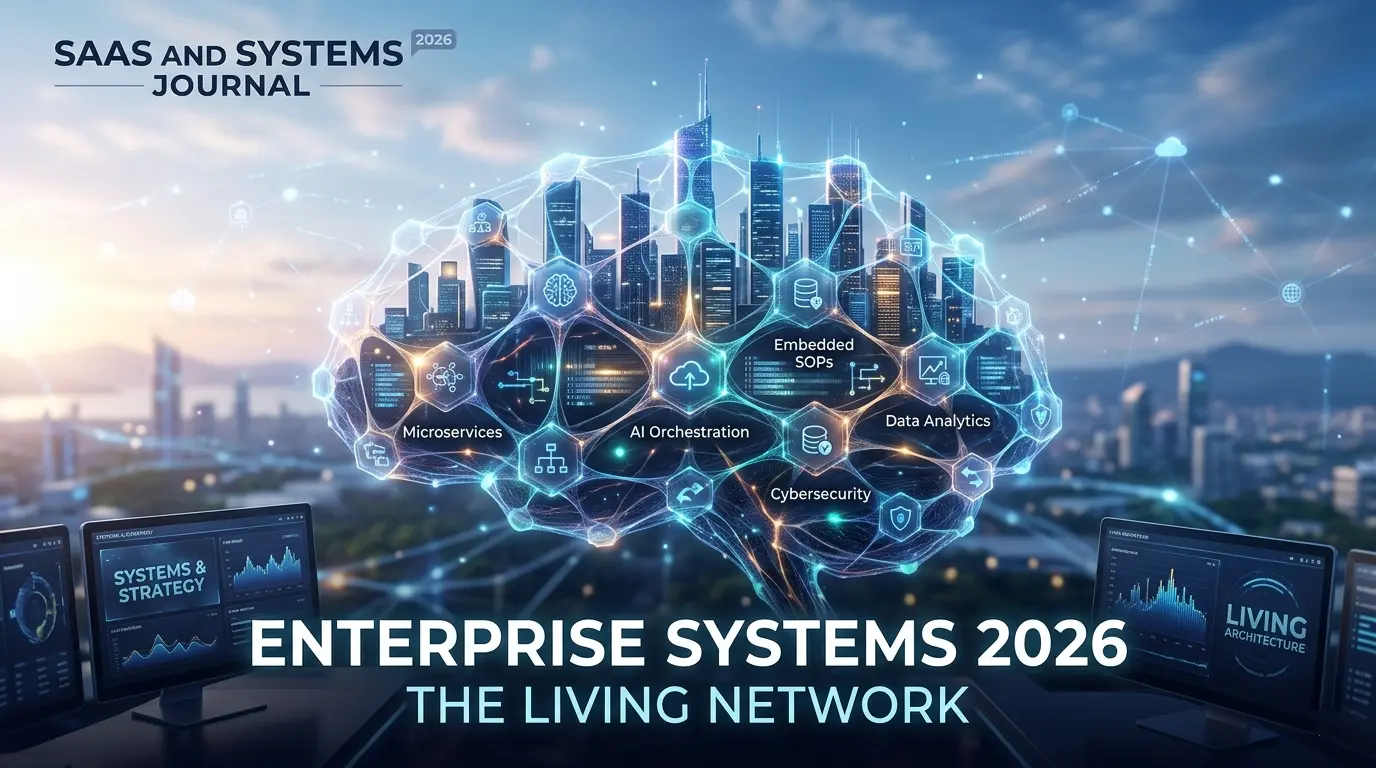
Now in 2026, enterprise systems move on their own, shaped by constant learning instead of fixed rules. Because of shifting goals, companies rethink tech layouts to match laws, strategy, and market pressure. Driven less by small updates and more by deep change, these shifts emerge where smart algorithms meet networked processing plus new workflows. The core isn’t just upgraded; the entire foundations shift under fresh demands.
Now driving change is a need for Industrial benchmarks tied to live results, not past numbers. Success gets measured differently these days KPIs adjust as situations evolve, helping decision makers respond quicker. Because of this, tracking progress looks nothing like it did before inside companies.
Structural Shifts in Enterprise Architecture
Pieces now fit together like building blocks in today’s business tech. Instead of one big rigid setup, companies use flexible parts that work on their own. One piece can change while others keep running smoothly. Swapping out tools happens without shutting everything down. The whole thing adapts faster when needs shift
Key Characteristics of Modern Systems
Quick adjustments help firms adapt fast when markets shift. Yet steady operations keep things running without pause. Because changes happen often, staying consistent matters just as much as moving quickly. Even small shifts demand both speed and stability. So balance defines how well a company handles pressure. Still, reacting fast means little if daily work breaks down.
- Microservices-based infrastructure
- API-first development strategies
- Cloud-native deployment models
- Real-time data synchronization
- Enhanced cybersecurity protocols
Evolution of Enterprise Architecture
Organizations adopting composable systems report a 32% increase in deployment speed and a 27% reduction in operational costs.
| Era | Architecture Type | Key Limitation | Modern Replacement |
| Pre-2015 | Monolithic systems | Low scalability | Microservices |
| 2015-2020 | Hybrid systems | Integration complexity | API-driven platform |
| 2020-2023 | Cloud migration | Vendor lock-in | Multi-cloud strategies |
| 2023-2026 | Composable systems | Governance challenges | AI-driven orchestration |
Institutionalization of Digital Processes
Now it’s common to find Standard Operating Procedures built into company software systems. Not just paper checklists anymore, these guides walk workers step by step using live tools. Built-in rules keep actions aligned with regulations. What once sat idle in folders now moves with the work being done.
Benefits of Embedded SOPs
Enterprises are leveraging workflow engines that integrate SOPs with real-time data, enabling adaptive execution based on current conditions.
- Reduced human error by up to 45%
- Faster onboarding of new employees
- Improved audit readiness
- Consistent execution across departments
Data as a Strategic Asset
Now more than ever, companies treat data governance as key to their overall plan. Instead of just storing information, they pour resources into systems like data lakes and warehouses often adding live analysis tools to uncover useful patterns.
Now shaping up fast Future Forecasting tools are plugging straight into company software. Instead of guessing, machines learn patterns to project what customers will want next. Risk spots emerge before they become problems because the system watches trends closely. Resource planning shifts smoothly since decisions follow real-time signals rather than old assumptions.
Data Flow in Modern Enterprises
Organizations using predictive analytics achieve up to 38% higher decision accuracy.
- Data Ingestion: Collecting data from IoT devices, CRM, and ERP systems
- Data Processing: Transforming data through ETL pipelines
- Data Storage: Storing data in cloud-based warehouses
- Analytics & Forecasting: Using AI models to generate insights and predictions
- Decision Execution: Implementing automated workflows for action
Governance and Compliance Frameworks

Facing new regulations, firms weave tighter checks deep into daily workflows. Getting ahead of requirements beats scrambling later.
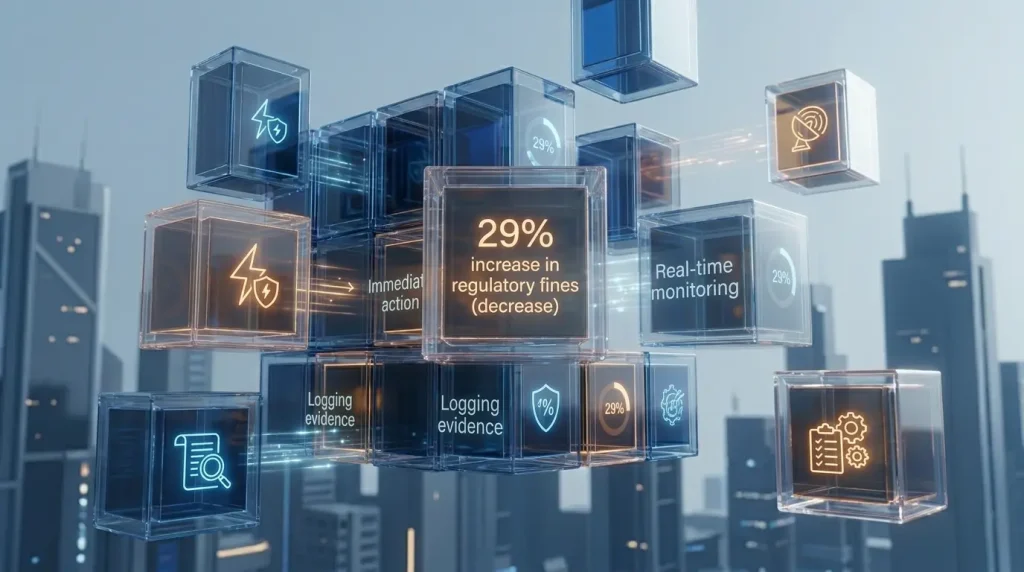
Every so often, digital governance rule systems allow organizations to automate oversight, watching policy compliance closely while creating logs step by step. Right away, monitoring appears thanks to tools recording every action instantly. Without delays, changes show up just as they happen. Software runs checks much like a steady observer never looking away. Over time, evidence of what took place grows without effort.
Compliance Metrics
Following improvements highlight the importance of integrating governance into core systems rather than treating it as an external function.
- 52% reduction in compliance-related incidents
- 41% faster audit completion times
- 29% decrease in regulatory fines.
Workforce Transformation
Work gets done differently now because machines handle repeat work while people gain support from smart tools. Starting each day, workers find help in software that suggests actions, acts on choices, and leaves more time for thinking. These changes shift how teams operate without replacing the need for human insight. Often, outcomes improve when technology takes over predictable steps.
Faster results began showing up once smart intelligent automation systems tools entered workplaces everywhere. While some teams adapted quickly others took more time to adjust fully.
Workforce Impact
Organizations are also investing in upskilling programs to ensure employees can effectively work alongside advanced systems.
- 35% reduction in manual tasks
- 22% increase in employee productivity
- 18% improvement in job satisfaction
Interoperability and Integration
Facing hurdles between different platforms? A fresh wave of tools now lets them talk without hiccups. Cross-Platform Integration frameworks pop up where old methods used to stall, passing information smoothly instead. What once stuck in silence now moves – quietly, steadily.
Integration Benefits
Enterprises that prioritize integration report a 26% increase in operational efficiency.
- Reduced data silos
- Improved collaboration across departments
- Enhanced decision-making capabilities
Security in the Age of Complexity
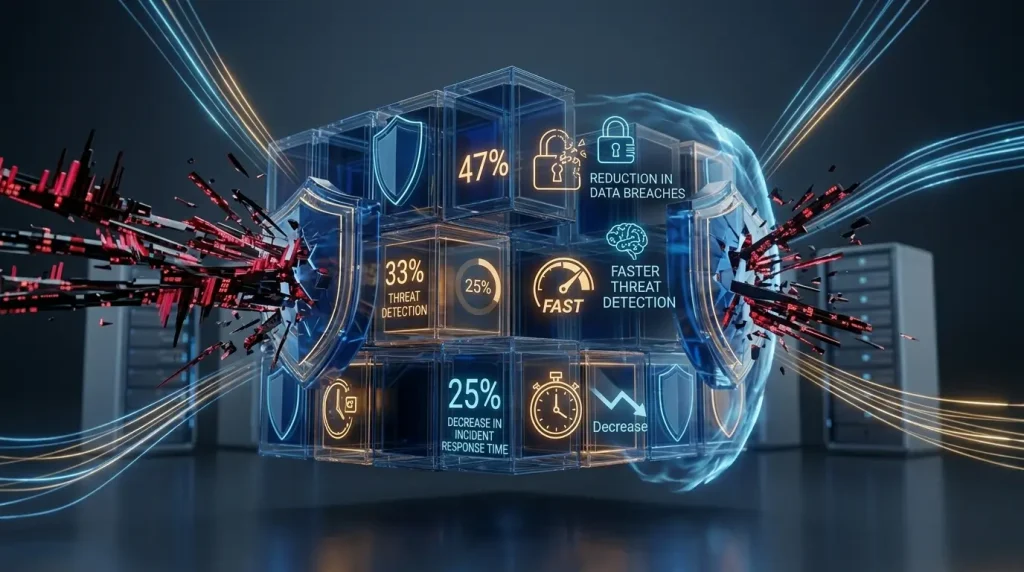
When machines link together, danger grows. Because of this shift, companies now use stronger safeguards like trust-nothing setups along with artificial intelligence that spots threats before they strike.
Facing modern threats means businesses must adopt strong enterprise cybersecurity protocols measures to guard private information, while also keeping systems reliable. Still, without clear rules, weak spots can grow unnoticed across networks.
Security Statistics
Following metrics demonstrate the effectiveness of modern security strategies.
- 47% reduction in data breaches
- 33% faster threat detection
- 25% decrease in incident response time
The Role of Cloud Computing
Out in the open, clouds shape how companies change from within. Not just one path fits all – mixing public plus private setups now makes sense for many. Flexibility dances with savings while speed stays in mind. Choices stack up where needs shift day by day.
A shift toward smarter cloud optimization strategies lets companies get more from what they spend. Ways of fine-tuning usage have quietly reshaped how firms handle online resources.
Cloud Benefits
Organizations are also leveraging edge computing to process data closer to its source, reducing latency and improving performance.
- 30% reduction in infrastructure costs
- 28% increase in system reliability
- 24% improvement in scalability
Artificial Intelligence Integration
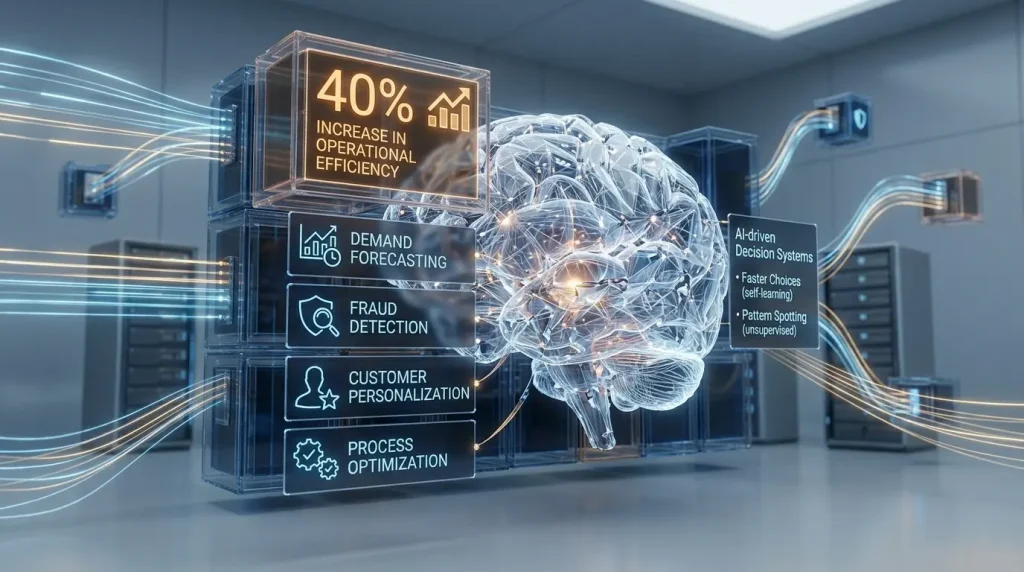
Now showing up everywhere, AI blends into business tools instead of standing apart. Because it handles forecasting or choices without help, companies run differently than before.
Faster choices now come from machines that learn on their own, helping companies act with sharper results. When AI-driven decision systems spot patterns without being told, outcomes tend to improve quietly over time.
AI Applications
Enterprises using AI report a 40% increase in operational efficiency.
- Demand forecasting
- Fraud detection
- Customer personalization
- Process optimization
Standardization vs. Customization
Starting fresh each time, some groups find rigid rules too tight. Still, common methods bring smoother workflows. On the flip side, tweaking tools fits special goals better. Change often sparks new ways forward. Matching both keeps things running yet open to shift.
Adaptive systems design now shifts shape when needs change, fitting the way teams actually work. A quiet pivot happens inside them responsive by design, not rigid.
Key Considerations
Enterprises that adopt adaptive systems achieve a 31% improvement in overall performance.
- Scalability
- Flexibility
- Cost-effectiveness
- User experience
Metrics and Performance Measurement
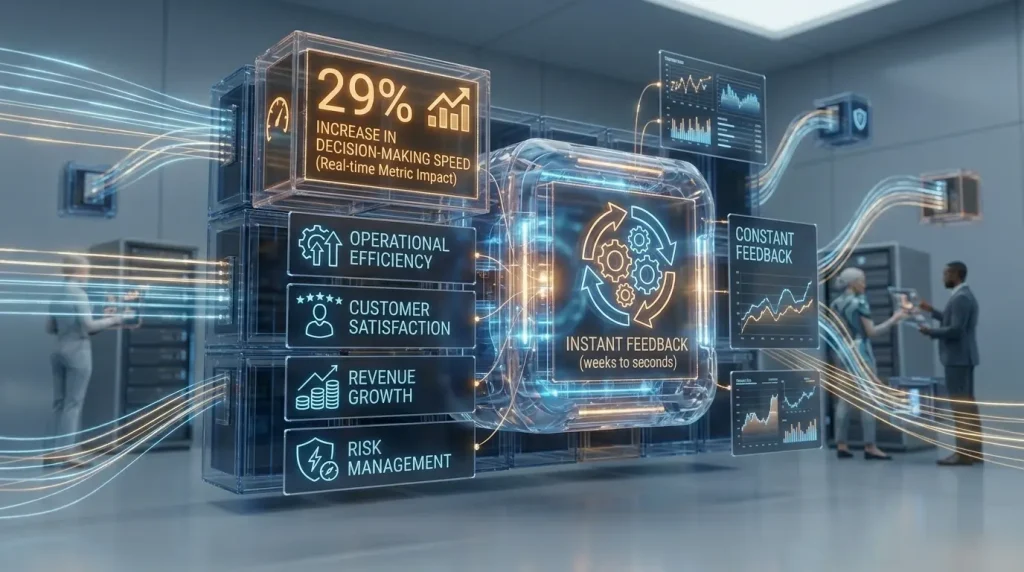
Now live data flows shape how results get checked, replacing old fixed reports. With sharp digital displays, teams watch progress as it happens instead of waiting. Tools that track patterns help spot shifts the moment they start. These views update constantly, so decisions rest on what is occurring right now.
Now success looks different because real time performance metrics data shapes it. Organizations measure results through constant feedback instead of waiting. What once took weeks now shows up instantly, changing old habits slowly but fully.
Performance Indicators
Companies leveraging real-time metrics report a 29% increase in decision-making speed.
- Operational efficiency
- Customer satisfaction
- Revenue growth
- Risk management
Enterprise System Lifecycle Management
Starting fresh each day keeps enterprise systems alive through their years. One step after another planning kicks off what execution builds later. Maintenance follows quietly, holding things together when speeds slow down. Optimization shows up last, fine tuning what already runs.
Now here’s a different way things get handled: organizations run systems better because they follow Lifecycle Optimization frameworks. These setups help teams stay on track without extra effort piling up along the way.
Lifecycle Stages
Organizations using lifecycle frameworks achieve a 34% reduction in system downtime.
- Planning
- Development
- Deployment
- Maintenance
- Optimization
Vendor Ecosystems and Partnerships
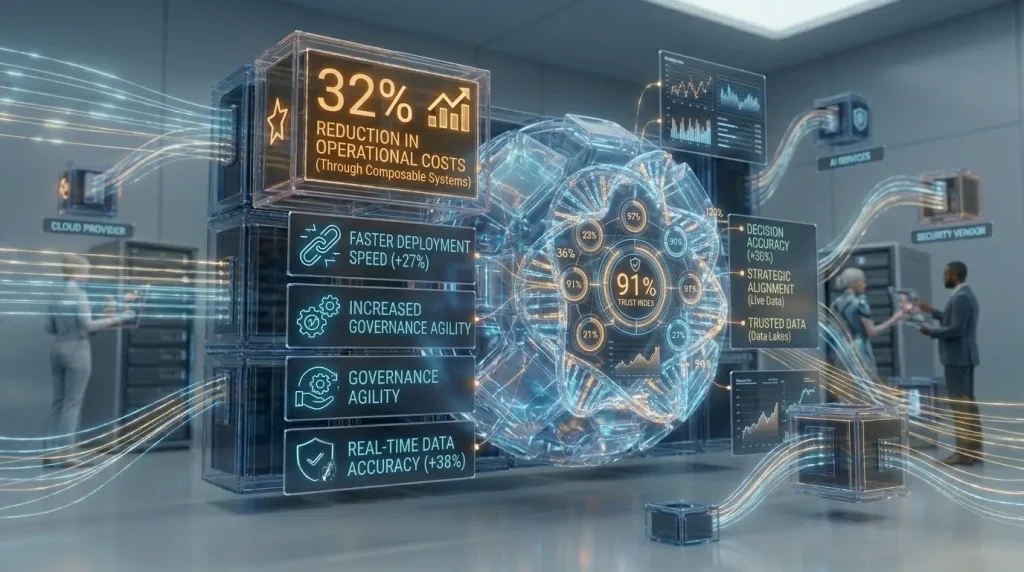
Fueled by outside providers, big business tech now leans heavily on collaboration. When those connections waver, operations can stumble so staying aligned matters more than ever.
Now teams can share updates faster because vendor collaboration platforms began connecting everyone involved. These systems link suppliers through shared spaces where details move smoothly across company lines. Information flows better once separate groups start using one central place to stay on track together.
Partnership Benefits
Enterprises leveraging vendor platforms report a 27% increase in project success rates.
- Improved system integration
- Faster innovation
- Reduced operational risks
Future Outlook and Strategic Direction
Faster changes in tech will push company tools to grow, shaped by what businesses actually need. Staying relevant means thinking beyond today, adjusting before demands shift.
Future enterprise systems might bend around how firms handle strategic digital transformation on purpose. A slow turn here, a rethink there these moves begin to matter more than big plans ever did.
Future Trends
Organizations that embrace these trends will be better positioned to succeed in the evolving digital landscape.
- Increased adoption of AI and automation
- Greater emphasis on data-driven decision-making
- Expansion of cloud and edge computing
- Enhanced focus on cybersecurity
Publish and Amplify Your Research with SaaS and Systems Journal
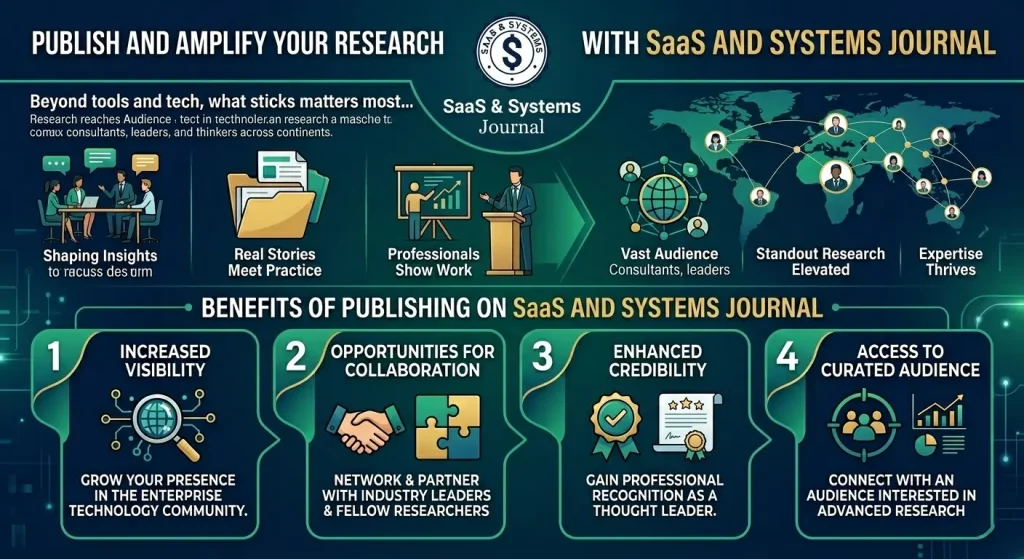
Beyond tools and tech, what sticks matters most. Sharing insights shapes how teams grow together. A space exists where real stories meet practice, no gloss, just substance. Professionals show work there. Published through SaaS and Journal, your work meets eyes across continents consultants, leaders, thinkers. Built for standout research, the space lifts what you know into view. Present fresh methods, study shifts, suggest models and the path stays clear to those who need it. A steady exchange grows when experience meets conversation. Here, voices shape dialogue without needing permission. Expertise thrives where others listen. This setting allows depth to emerge naturally. Thought takes root where discussion flows freely.
Benefits of Publishing on SaaS and Systems Journal
- Increased visibility within the enterprise technology community
- Opportunities for collaboration and networking
- Enhanced credibility and professional recognition
- Access to a curated audience interested in advanced research
Conclusion
Change shapes enterprise tech in 2026, where tools evolve fast because people build them differently now. Instead of fixed designs, flexible setups emerge guided less by old rules, more by what machines learn over time.
When companies move through shifting conditions, using updated structures together with smart coordination methods becomes essential. Moving forward means weaving new operational designs into daily work, which builds stronger responses over time. Efficiency grows when systems adapt quickly, while stability strengthens under pressure. Staying ahead happens not by chance but through careful upgrades that last.